The Hidden Operational Value of Hospitality Linen Programs

Hospitality textiles do far more than dress a guest room; they influence operations, sustainability efforts, labor efficiency, and the overall guest experience. But today’s operating environment demands more.
Hospitality textiles influence far beyond aesthetics alone. Bedding, towels, and top-of-bed programs directly impact guest experience, housekeeping productivity, utility consumption, sustainability initiatives, and long-term operational performance.
As labor pressures, guest expectations, and ESG goals continue to evolve, forward-thinking hospitality leaders are beginning to view linen programs not simply as products, but as operational assets engineered to support broader business objectives.
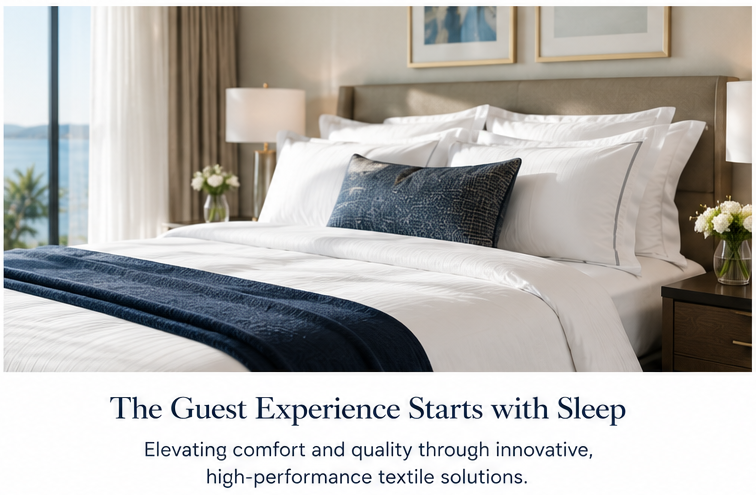
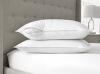
The bed remains one of the most important touchpoints within the guest room experience. While guests may not notice construction details, they immediately recognize comfort, cleanliness, breathability, and overall sleep quality.
Today’s hospitality bedding programs must balance luxury with performance, delivering softness, durability, loft retention, and tailored presentation even after repeated commercial laundering.
Innovations in hospitality textiles are helping properties elevate the guest experience through temperature-regulating bedding systems, advanced fill technologies, and more efficient top-of-bed solutions.
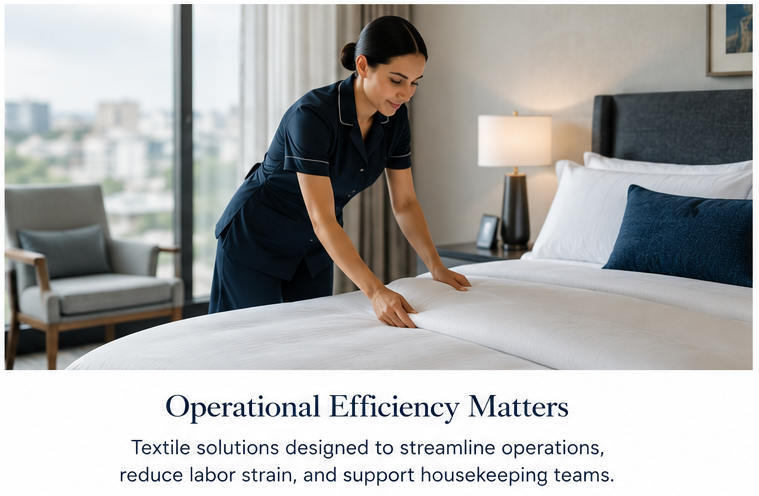
Housekeeping teams are being asked to turn rooms faster while maintaining elevated guest expectations and managing ongoing labor shortages. As a result, hospitality operators are reevaluating how linen programs can reduce operational strain without compromising presentation.
Performance-engineered textile solutions can help support:
- Faster room turnover
- Reduced bed-making complexity
- Lower laundry volume
- Improved housekeeping efficiency
- Greater long-term product consistency
Simplified, labor-conscious bedding systems are increasingly becoming part of broader operational efficiency strategies across hospitality environments.
Sustainability in hospitality textiles is no longer defined solely by recycled content claims. Increasingly, properties are evaluating the total operational impact of their linen programs, including water usage, energy consumption, product longevity, and replacement frequency.
The most effective textile programs are designed to support:
- Lower utility consumption
- Extended product lifespan
- Durable commercial performance
- Responsible sourcing practices
Manchester Mills’ recognition with a Gold EcoVadis Medal reflects the company’s ongoing commitment to sustainability, ethical business practices, and continuous improvement across its global supply chain.
Today, sustainability is increasingly interconnected with operational efficiency, guest expectations, and long-term brand value.
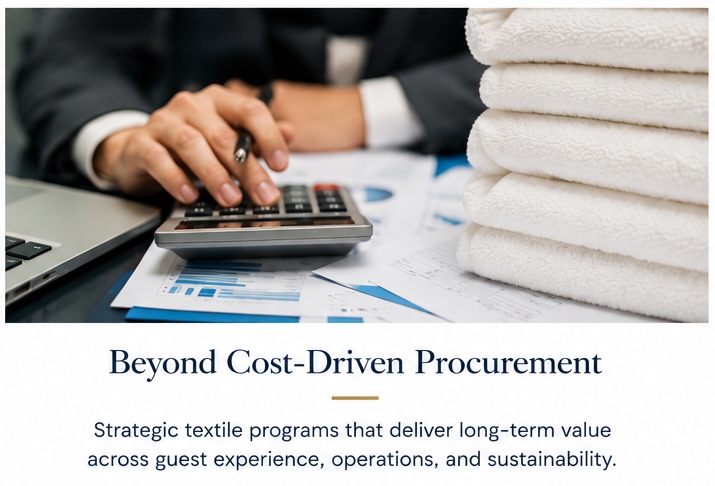
The most effective hospitality linen programs are no longer selected on acquisition cost alone.
They are engineered to improve operational performance, support sustainability initiatives, reduce labor strain, and elevate the guest experience simultaneously.
As hospitality organizations continue aligning operational strategy with long-term brand growth, textile planning is becoming an increasingly important part of conversations around efficiency, sustainability, and guest satisfaction.
To learn more about performance-driven hospitality textile innovations, explore Manchester Mills Innovations.